

What’s the Best Way to Plan an Efficient Kitchen Layout Before You Build?
Aveling Homes understands that designing your kitchen is one of the most exciting and important parts of planning your new home. It’s the heart of the home, a major visual centrepiece, and a space you’ll use every single day. Getting the layout right from the start is essential because, unlike décor or appliances, kitchen structure is not something you can easily change later.
Start by Understanding How You Use Your Kitchen
Before you choose finishes or appliances, think about how your household works in the kitchen:
- Do you cook often or order in?
- Do you bake and need extra bench space?
- Do you entertain and want an island everyone can gather around?
- Do you need wide walkways for kids, prams, or pets?
- Do you prefer everything hidden away or on display?
Your lifestyle determines whether you need a large pantry, extra powerpoints, deep drawers, or multiple prep zones.
Choose the Right Kitchen Layout for Your Floor Plan
Most modern Perth homes feature one of these popular layouts:
U-Shaped Kitchen
Great for large families or serious cooks. It offers maximum bench space and natural working zones, with the option to add a breakfast bar.
L-Shaped Kitchen
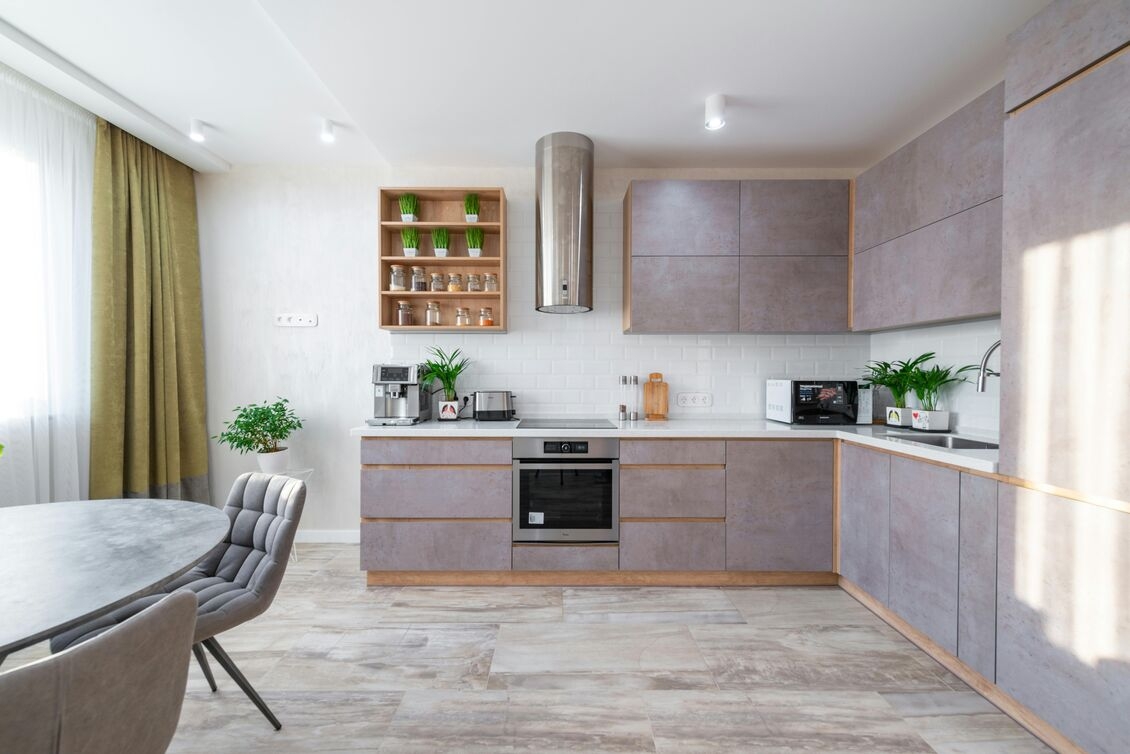
Perfect for open-plan living. It gives you a spacious feel while keeping workflows simple and efficient.
Galley Kitchen
Ideal for narrow lots or contemporary designs. This layout provides long bench runs and plenty of storage, especially when combined with a walk-in pantry.
Island Kitchen
One of the most in-demand features in WA homes. Islands are perfect for meal prep, informal dining, and entertaining, while also improving the home’s visual flow. Choose the layout that naturally suits your floor plan rather than forcing the room to fit a trend.
Use the Classic “Kitchen Work Triangle” (But Adapt It to Modern Living)
The traditional work triangle connects the fridge, sink, and cooktop, the three most-used zones in the kitchen. This concept still works today, but modern kitchens often have additional zones, such as:
- A baking area
- A bar/coffee station
- A microwave or appliance nook
- A butler’s pantry
- A breakfast prep area for kids
Think of your kitchen as a series of interconnected zones rather than a strict triangle. The goal is simple: reduce unnecessary movement and avoid traffic bottlenecks.
Prioritise Storage That Works for You
Smart storage is crucial to an efficient layout. When planning your new kitchen:
- Add deep drawers instead of cupboards; they’re easier to access.
- Include a walk-in or scullery pantry if space allows.
- Ask about overhead storage options.
- Add pull-out bins, spice drawers, and tray dividers.
- Include power outlets in the pantry for appliances you want hidden.
- Consider a charging drawer for devices.
Good storage keeps clutter off the bench and makes everyday cooking easier.
Plan Clear Walkways and Cooking Safety Zones
A kitchen can look beautiful, but still be frustrating if movement is restricted. For everyday usability:
- Aim for at least 1 metre between benchtops for walkways.
- Keep 1.2 metres between the island and cooktop for safety.
- Avoid placing the fridge in a corner where it blocks traffic.
- Make sure oven and dishwasher doors can open without obstruction.
If you have kids, place the cooktop on interior benches, away from walkways, so little ones don’t pass behind hot pans.
Get Lighting Right Early
Lighting affects both functionality and atmosphere. Plan for:
- Task lighting under overhead cabinets
- Ambient lighting for overall brightness
- Feature pendants over the island
- Natural light through windows or a sliding door nearby
Good lighting design helps create a kitchen that feels warm, welcoming, and practical at any time of day.
Think About Ventilation and Appliance Placement
Proper ventilation keeps cooking smells under control and helps maintain a healthy home environment.
- Choose a quality rangehood with good extraction.
- Avoid placing the cooktop on an island unless you prefer a built-in downdraft.
- Position the dishwasher near the sink for easier plumbing and stacking.
- Ensure your fridge has enough ventilation space around it.
Smart positioning makes your kitchen run smoothly and reduces long-term maintenance issues.
Allow for Future Needs
If you’re planning to stay in your home long-term, future-proof your kitchen by considering:
- Space for a double fridge
- Additional powerpoints for new appliances
- Soft-close drawers and cupboards
- Extra plumbing points for future upgrades
- Space for a larger oven or induction cooktop
A kitchen designed for tomorrow saves money and renovations later.
Match Your Kitchen Design to Your Home’s Style
A kitchen should complement the overall design of your home. For example:
- Hamptons-style homes look great with shaker cabinets and stone benchtops.
- Modern designs suit minimal cabinetry, integrated appliances, and clean lines.
- Family-friendly homes benefit from durable finishes and open visibility toward living areas.
Keep your aesthetic consistent for a cohesive, high-value home.
Planning an efficient kitchen layout before you build is one of the most important decisions you’ll make in your new home design. By focusing on workflow, storage, safety, lighting, and layout, you’ll create a kitchen that not only looks stunning but also works beautifully for everyday life. With thoughtful planning and smart design decisions, you can build a kitchen that enhances your lifestyle and adds long-term value to your home.